 Semblance
Looksmaxxing
How to Debloat Your Face.
In short
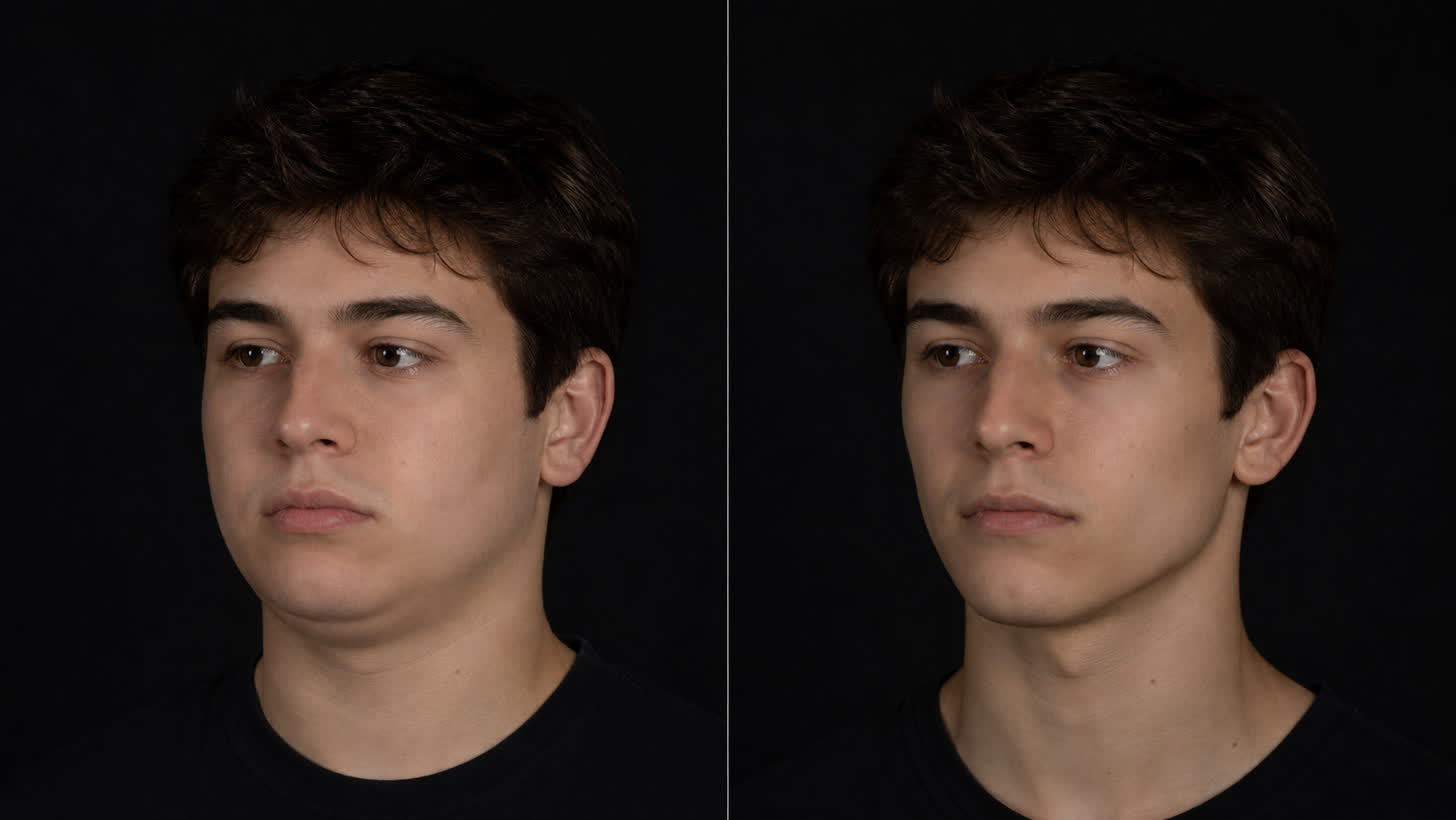
Facial bloating is water retention — extra fluid held in the tissue of the face, most visibly around the eyes, cheeks, and jawline. It is caused primarily by high sodium intake, alcohol, poor sleep, and dehydration. Because it is water and not fat, it clears fast: most facial bloating resolves within 24 to 72 hours of fixing the cause, revealing the jaw and cheekbone definition underneath.
What is debloating?
Debloating means reducing the water retention that makes a face look puffy and undefined. In looksmaxxing terms, it is the fastest lever that exists: unlike losing body fat (weeks) or growing into a haircut (weeks), water retention responds in days. A bloated face and a debloated face can be one to two apparent tiers apart on the looksmaxxing chart — with identical bone structure underneath.
The reason it matters so much is location. The tissue around the eyes, under the chin, and along the jawline is thin, so a small amount of retained fluid visibly softens exactly the features — jaw angle, cheekbones, eye area — that define how sharp a face reads.
What causes a bloated face?
Six causes account for almost all facial bloating — ranked by how much water they hold.

Sodium makes the body retain water — it is a basic physiological response, not a sensitivity. A high-sodium dinner (takeout, processed food, restaurant meals) shows in the face the next morning. Sodium-driven bloating clears within 24–48 hours of cutting back. Most people eat far above the roughly 2,300 mg daily limit U.S. dietary guidelines recommend.
Alcohol dehydrates the body while paradoxically making it hold onto sodium, and it impairs lymphatic drainage — the combination pushes fluid into the thin tissue around the eyes, cheeks, and jawline. Alcohol bloat typically resolves within 12–24 hours with water and no added sodium. Regular drinking keeps the face in a permanently puffy baseline.
Fluid pools in the face when you lie flat, and short or broken sleep raises cortisol, which increases water retention on top of it. This is why faces are puffiest in the morning and why chronic bad sleep reads as a permanently softer face. Seven to nine hours, with the head slightly elevated, addresses both mechanisms.
Drinking too little water makes bloating worse, not better — a dehydrated body holds on to the water it has. Consistent intake (roughly 2–3 liters a day) signals the body to release retained fluid and helps flush sodium. Drinking more water is the single cheapest debloating intervention.
Every gram of stored carbohydrate (glycogen) binds roughly three grams of water. A large refeed after eating clean — pizza night, a cheat day — adds visible water weight overnight, some of it in the face. It is not fat gain and it clears within two to three days of normal eating.
Chronically elevated cortisol promotes water retention and facial puffiness. This is the slowest cause to fix because it is a lifestyle input rather than a single behavior — but it is also why high-stress periods visibly show in the face even when diet and sleep are unchanged.
How do you debloat your face?
The 72-hour protocol — each step removes one cause of retention.
Cut sodium to under 2,300 mg a day
No processed food, no takeout, no restaurant meals for 72 hours — cook simple food and do not add salt. This removes the biggest driver of facial water retention.
Drink 2–3 liters of water daily
Consistent water intake tells the body to stop hoarding fluid and flushes the sodium already in the system. Spread it through the day rather than front-loading it.
Zero alcohol
Alcohol dehydrates, promotes sodium retention, and impairs lymphatic drainage at the same time. Even one or two drinks resets facial puffiness for the next day.
Sleep 7–9 hours with your head slightly elevated
An extra pillow keeps fluid from pooling in the face overnight, and full sleep keeps cortisol — which drives retention — down.
Eat potassium-rich foods
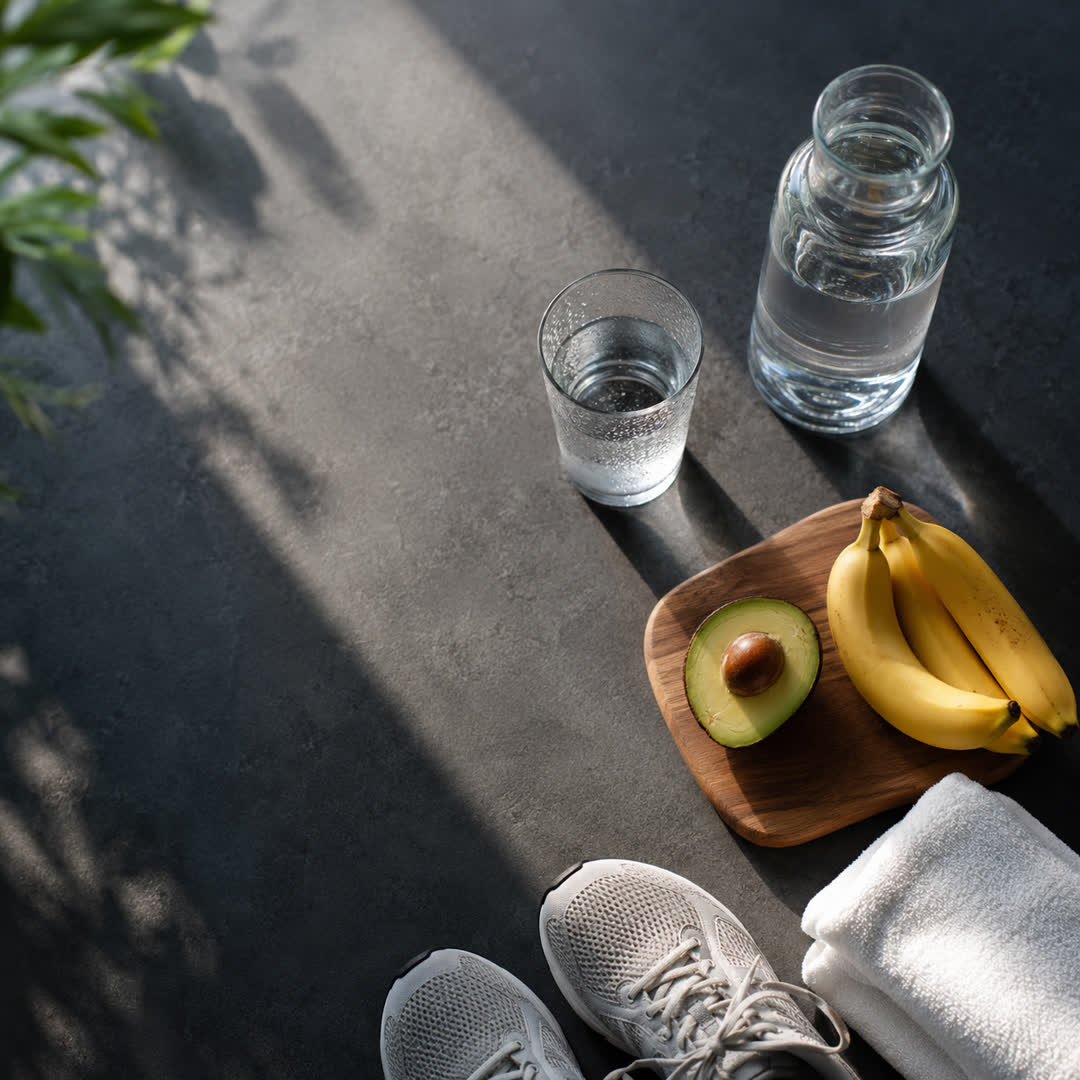
Potassium counterbalances sodium in fluid regulation. Bananas, avocados, potatoes, and leafy greens shift the sodium-potassium balance toward releasing water.
Add light cardio and cold water
Twenty to thirty minutes of light cardio moves lymphatic fluid and sheds water through sweat. Cold water on the face in the morning constricts vessels and visibly reduces puffiness within minutes — a short-term finish, not a fix for the cause.
Why is your face still puffy when you're lean?
A lean body with a soft face is one of the most common frustrations in looksmaxxing, and it has three possible explanations. The first is still water: retention shows in the face before anywhere else, so someone at low body fat with high sodium, alcohol, or poor sleep will look puffy despite visible abs. The second is buccal fat — the fat pads in the middle of the cheeks, which are largely genetic and do not shrink in proportion to body fat. The third is facial anatomy itself: some faces are structurally rounder regardless of body composition.
The 72-hour protocol separates the first from the other two. If the puffiness survives a clean 72 hours at low body fat, what remains is buccal fat or bone structure — both structural, neither water.
What about a bloated stomach?
Stomach bloating and facial bloating are different mechanisms that share a name. A bloated stomach is mostly digestion — gas from food, eating too fast, sudden fiber increases, or carbonated drinks — sitting in the gut. A bloated face is water retention in tissue. This is why the gut-debloating routines popular on TikTok — post-meal walks, abdominal massage, eating slower — help the stomach but do not change the face.
The overlap is sodium and alcohol, which drive both. Fixing those two clears both kinds of bloat at once; everything else on this page is specific to the face.
Is a puffy face water, fat, or bone?
This is the diagnostic most people skip. Three different things make a face look soft, and they operate on completely different timelines. Water retention responds in 24–72 hours — that is what debloating addresses. Facial fat responds to overall body-fat reduction over weeks to months — no protocol removes it in three days. Bone structure — chin projection, jaw width, nose shape — does not respond to either.
The 72-hour protocol is therefore also a test: whatever is still soft after a full debloat is not water. If definition appears, the problem was retention. If the face is leaner but the jawline is still absent at a reasonably low body fat, what remains is structural — and that is a different conversation, covered in the soft maxxing and hard maxxing guides.
What debloating can and cannot do.
Debloating reveals structure — it does not create it. It is the fastest and cheapest lever in looksmaxxing precisely because it removes something temporary that was hiding the real face. That also defines its ceiling: a debloated face with a recessed chin still has a recessed chin.
If you have run the protocol, dropped body fat, and the jaw or chin definition still is not there, the remaining question is structural — and it is answerable with evidence rather than guesswork. Semblance shows a realistic preview of a structural change like jaw definition or chin projection on your own photo, so you can see what is actually underneath versus what a procedure would change. Previews are illustrative, for exploration — not a prediction of an outcome.
See it on your own photo →Debloating FAQ
Common questions.
How long does it take to debloat your face?+
Most facial bloating clears within 24 to 72 hours of removing the cause. Alcohol bloat resolves in 12–24 hours with water and no added sodium. Sodium-driven bloating takes 24–48 hours. Carb-refeed water weight clears in two to three days. If nothing changes after 72 clean hours, what you are seeing is fat or bone structure, not water.
Why is my face bloated in the morning?+
Lying flat for hours lets fluid pool in the face, which is why puffiness peaks on waking and drains over the first hours upright. A high-sodium dinner or alcohol the night before makes it significantly worse. Sleeping with the head slightly elevated reduces it.
Does drinking water help debloat your face?+
Yes — counterintuitively, more water reduces water retention. A dehydrated body holds on to fluid; consistent intake of roughly 2–3 liters a day signals it to release retained water and helps flush sodium, the main driver of facial bloating.
Does alcohol make your face puffy?+
Yes. Alcohol dehydrates the body while promoting sodium retention and impairing lymphatic drainage, which pushes fluid into the thin tissue around the eyes, cheeks, and jawline. The puffiness typically resolves within 12–24 hours, but regular drinking keeps the face at a permanently puffier baseline.
Is my puffy face water or fat?+
Run the 72-hour test: cut sodium and alcohol, drink 2–3 liters of water daily, and sleep properly for three days. What disappears was water. What remains is either facial fat — which responds to overall body-fat reduction over weeks — or bone structure, which responds to neither.
Do ice rollers and gua sha debloat your face?+
Cold constricts blood vessels and massage moves lymphatic fluid, so both produce a visible short-term reduction in puffiness — useful before photos or an event. Neither addresses the cause. Without fixing sodium, alcohol, sleep, and hydration, the puffiness returns within hours.
How do I debloat before an event in 2–3 days?+
Run the full protocol from today: sodium under 2,300 mg, 2–3 liters of water daily, zero alcohol, full sleep with the head elevated, potassium-rich food, and light cardio each day. On the morning of the event, add cold water on the face. Two to three days is exactly the window facial water retention needs to clear — it is the ideal timeline for this protocol.
Does starving yourself debloat your face?+
No — it backfires. Severe restriction raises cortisol, and cortisol increases water retention. Under-drinking does the same: a dehydrated body holds on to fluid. The protocol works by removing what causes retention (sodium, alcohol, poor sleep), not by removing food and water.
Do zero-calorie drinks cause bloating?+
Zero-calorie drinks are fine for water retention as long as they are low in sodium — check the label, as some contain a meaningful amount. Carbonation can cause temporary stomach bloating (gas), but that is a gut effect, not facial water retention.
Sources
- MedlinePlus (National Institutes of Health) — Edema
- FDA — Sodium in Your Diet
- Wikipedia — Edema (water retention)
Related guides